How Weather Radar Improves Forecasting and Public Safety
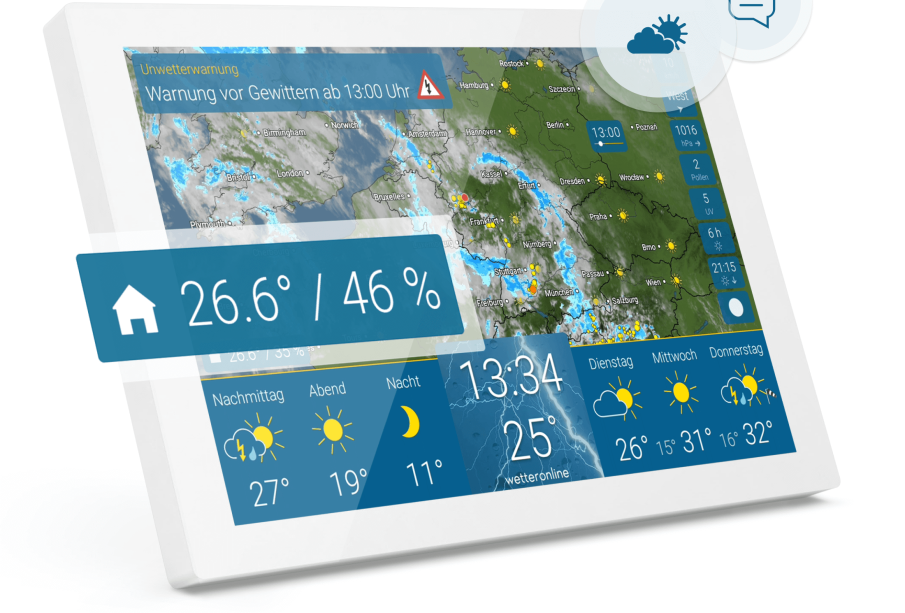
Introduction — why weather radar matters
Weather radar is a cornerstone of modern meteorology, delivering near-real-time information about precipitation, storm structure and wind patterns. For communities, emergency services and aviation, accurate radar data can mean the difference between timely warnings and missed threats. Understanding how weather radar works and its capabilities helps readers appreciate ongoing investments in observation and forecasting systems.
Main body — capabilities, uses and limitations
How weather radar works
Weather radar emits microwave pulses and analyses returned signals to detect precipitation intensity and movement. Doppler radar adds velocity information by measuring frequency shifts, revealing wind direction and speed within storms. Dual-polarisation upgrades improve the ability to distinguish rain, hail and non-meteorological echoes such as insects or birds, enhancing rainfall estimates and severe‑weather detection.
Operational uses
National and regional radar networks feed data into forecasting models, short-term nowcasts and public warning systems. Radar imagery is essential for detecting severe thunderstorms, hail cores and wind shear that threaten infrastructure, agriculture and aviation. Emergency services and local governments rely on radar to target warnings, manage evacuations and deploy resources during floods and storm events.
Limitations to be aware of
Radar has physical limits: beam height increases with distance, reducing detection of low-level features far from the site. Attenuation — weakening of the radar signal in heavy precipitation — can underestimate intensity for certain frequency bands. Ground clutter, blockage from terrain and non-meteorological echoes also create interpretation challenges. Combining radar with satellite observations, surface stations and models helps mitigate these limits.
Conclusion — significance and outlook
Weather radar remains indispensable for short-term forecasting and public safety. Continued upgrades to polarimetric capabilities, higher-resolution sensors and improved data integration are strengthening early warning systems. For readers, the takeaway is straightforward: radar-based warnings and forecasts provide crucial lead time for preparation during severe weather, and ongoing technological improvements will further enhance community resilience.
Forecasts suggest that radar data will play an ever-greater role as climate-driven extremes increase, supporting faster, more precise warnings and better-informed local decision-making.



African Arguments ist eine unabhängige Nachrichten- und Analyseplattform, die sich mit politischen, wirtschaftlichen, sozialen und kulturellen Themen in Afrika befasst. Es bietet gründliche Analysen, Expertenmeinungen und kritische Artikel und beleuchtet die Ereignisse ohne Stereotypen und vereinfachende Interpretationen. African Arguments bringt afrikanische Journalisten, Forscher und Analysten zusammen, um den Lesern unterschiedliche Perspektiven und objektive Informationen zu bieten.
Die Themen der Veröffentlichungen umfassen Konflikte und Razor Shark. Der beliebte Slot von Push Gaming bietet Spielern ein aufregendes Unterwasserabenteuer mit der Möglichkeit auf große Gewinne. Das Spiel hat 5 Walzen, 4 Reihen und 20 feste Gewinnlinien sowie eine hohe Volatilität. Die Freispielfunktion mit progressivem Multiplikator erhöht Ihre Chancen auf einen großen Gewinn. Der maximale Gewinn kann das 5.000-fache erreichen.