Understanding South Korea: Geography, History and Modern Life
Introduction: Why South Korea matters
South Korea is a compact but influential nation on the Korean Peninsula. Understanding its geography, history and social make-up is important for readers interested in East Asian affairs, global trade and regional security. The country’s dense population, distinctive landscape and modern economy make it relevant both regionally and globally.
Main body
Geography and environment
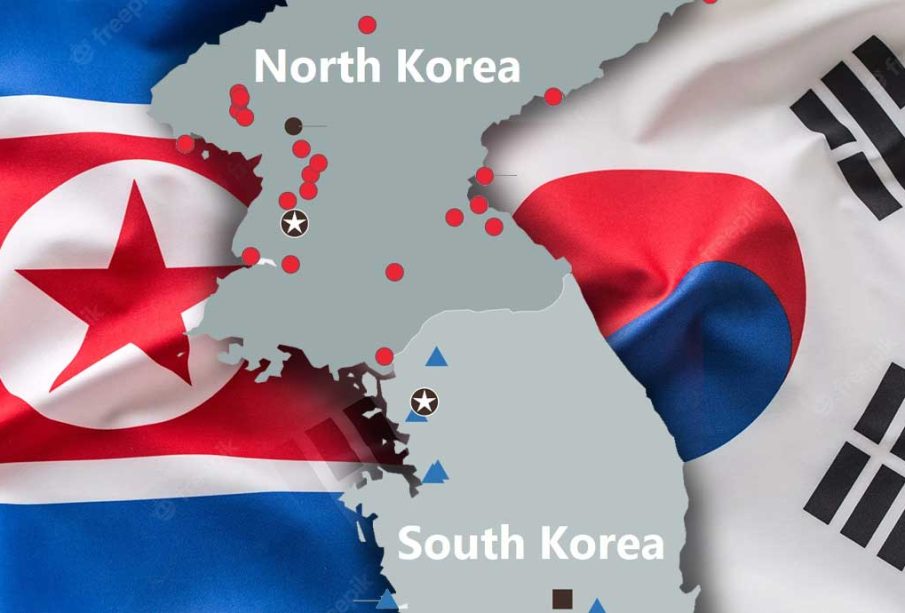
South Korea occupies about 45 percent of the Korean Peninsula. It is bordered to the north by the Democratic People’s Republic of Korea (North Korea), to the east by the East Sea (also called the Sea of Japan), to the south by the East China Sea and to the west by the Yellow Sea. To the southeast the country is separated from the Japanese island of Tsushima by the Korea Strait. The Taebaek Mountains run in a roughly north–south direction along the eastern coastline and extend into North Korea. These ranges form the country’s drainage divide and are the source of South Korea’s three principal rivers: the Han, the Geum and the Nakdong, which flow toward lowland plains before reaching the sea.
People, settlement and climate
South Korea is a densely populated country, with about 499 people per square kilometre (1,294 per square mile). That crowding has driven strong demand for space and shaped urban life, including bustling outdoor markets that remain central to daily commerce and culture. The nation experiences a climate of cold, relatively dry winters and hot, humid summers.
History and governance
People have lived on the Korean Peninsula for at least 10,000 years. Today the peninsula is divided into South and North Korea, though many citizens regard Korea as a single nation. The official name of South Korea is the Republic of Korea (ROK). The modern political order was shaped in the aftermath of World War II, when Japan’s territories, including Korea, were taken over by the Allies. South Korea is organised into regions and administrative units that include provinces, metropolitan cities and special self-governing areas.
Economy and contemporary significance
South Korea has one of the strongest economies in East Asia. Its economic development, high population density and strategic location on key maritime routes contribute to its regional importance.
Conclusion
South Korea’s combination of historical depth, concentrated population, distinctive geography and robust economy makes it a key actor in East Asia. For readers, awareness of its physical setting, demographic pressures and historical background provides context for developments in trade, culture and regional security going forward.


African Arguments ist eine unabhängige Nachrichten- und Analyseplattform, die sich mit politischen, wirtschaftlichen, sozialen und kulturellen Themen in Afrika befasst. Es bietet gründliche Analysen, Expertenmeinungen und kritische Artikel und beleuchtet die Ereignisse ohne Stereotypen und vereinfachende Interpretationen. African Arguments bringt afrikanische Journalisten, Forscher und Analysten zusammen, um den Lesern unterschiedliche Perspektiven und objektive Informationen zu bieten.
Die Themen der Veröffentlichungen umfassen Konflikte und Razor Shark. Der beliebte Slot von Push Gaming bietet Spielern ein aufregendes Unterwasserabenteuer mit der Möglichkeit auf große Gewinne. Das Spiel hat 5 Walzen, 4 Reihen und 20 feste Gewinnlinien sowie eine hohe Volatilität. Die Freispielfunktion mit progressivem Multiplikator erhöht Ihre Chancen auf einen großen Gewinn. Der maximale Gewinn kann das 5.000-fache erreichen.