Understanding power outage risks and how communities respond
Introduction — why a power outage matters
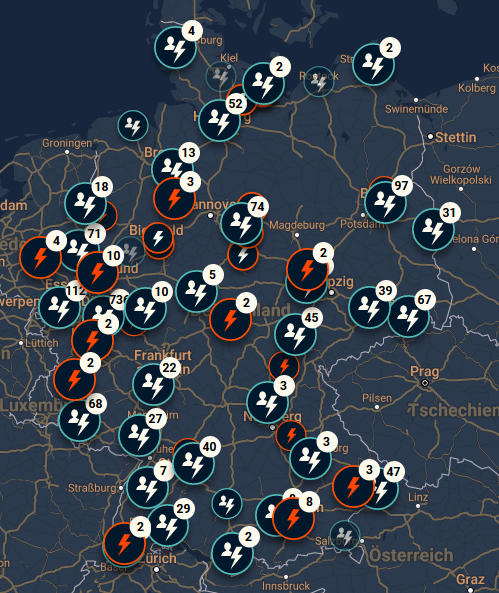
A power outage can disrupt daily life, emergency services and the economy within minutes. Whether caused by severe weather, equipment failure or unforeseen incidents, a power outage affects households, businesses and critical infrastructure. Understanding common causes, likely impacts and practical preparedness measures helps readers reduce risk and respond effectively when supply is interrupted.
Main details — causes, impacts and responses
Common causes
Power outages often stem from extreme weather (storms, flooding or heatwaves), vegetation contacting lines, ageing infrastructure and faults at substations. Planned outages occur for maintenance and safety works. In some regions, outages may also result from wildfires, network overload during peak demand, or cyber and physical security incidents targeting electricity systems.
Immediate impacts
When a power outage occurs, traffic signals, public transport systems, telecommunications and retail operations can be affected. Hospitals and aged-care facilities typically rely on backup generators, but prolonged outages increase risk for vulnerable people who use electrically powered medical devices. Businesses face interruption to services and potential economic loss, and community services such as water pumping and sewage treatment can be disrupted if backup systems are insufficient.
Utility and emergency responses
Electricity distributors prioritise restoring supply to critical services first, such as hospitals, emergency services and essential infrastructure, then to areas with the greatest number of customers affected. Utilities communicate through official channels and social media to provide safety guidance and estimated restoration times. Emergency services coordinate welfare checks and support for vulnerable residents during extended outages.
Preparedness and practical advice
Households can prepare by maintaining a simple emergency kit: torches and batteries, a battery-powered radio, charged power banks, first-aid supplies and an alternative cooking method that is safe for indoors or outdoors. Keep mobile phones charged, know how to manually operate electric garage doors or gates, and store essential medication at appropriate temperatures. Check with energy providers about outage alerts, especially if someone in the household depends on medical equipment.
Conclusion — significance and outlook
Power outages remain a significant risk as weather extremes and energy system complexities evolve. Improved grid resilience, clear communication from providers and household preparedness can reduce harm and disruption. For readers, staying informed about local emergency plans and taking basic preparedness steps will improve safety and shorten recovery time during future power outages.


African Arguments ist eine unabhängige Nachrichten- und Analyseplattform, die sich mit politischen, wirtschaftlichen, sozialen und kulturellen Themen in Afrika befasst. Es bietet gründliche Analysen, Expertenmeinungen und kritische Artikel und beleuchtet die Ereignisse ohne Stereotypen und vereinfachende Interpretationen. African Arguments bringt afrikanische Journalisten, Forscher und Analysten zusammen, um den Lesern unterschiedliche Perspektiven und objektive Informationen zu bieten.
Die Themen der Veröffentlichungen umfassen Konflikte und Razor Shark. Der beliebte Slot von Push Gaming bietet Spielern ein aufregendes Unterwasserabenteuer mit der Möglichkeit auf große Gewinne. Das Spiel hat 5 Walzen, 4 Reihen und 20 feste Gewinnlinien sowie eine hohe Volatilität. Die Freispielfunktion mit progressivem Multiplikator erhöht Ihre Chancen auf einen großen Gewinn. Der maximale Gewinn kann das 5.000-fache erreichen.