The Connection Between Volcanic Eruptions and the Black Death
Introduction
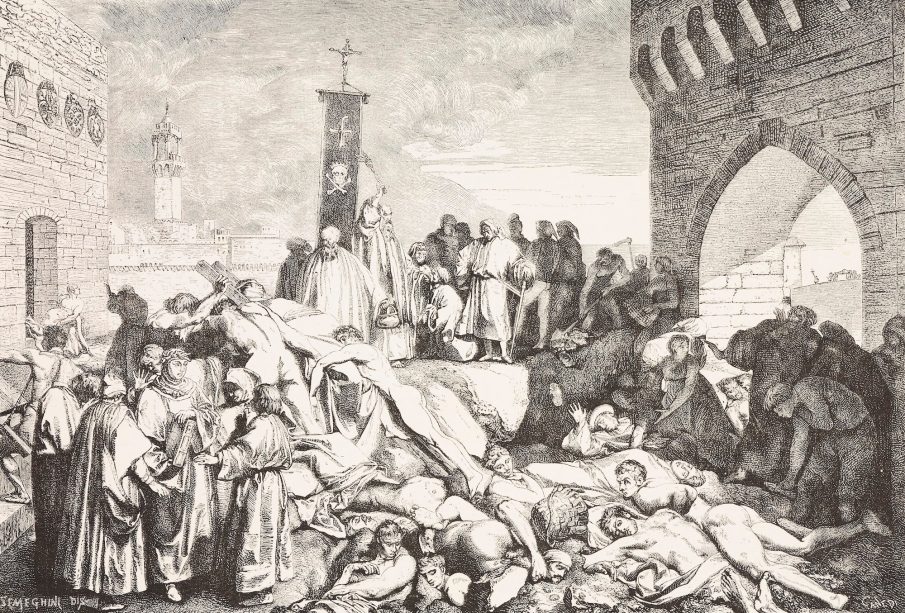
The Black Death, one of the deadliest pandemics in human history, swept through Europe in the 14th century. It resulted in the deaths of an estimated 25 million people, decimating a significant portion of the population. Recent studies have indicated that a series of volcanic eruptions around this period may have influenced not only the climate but also the spread of the plague. Understanding this connection can illuminate the impact of environmental factors on historical events.
Historical Context
The Black Death is commonly attributed to the bacterium Yersinia pestis, transmitted through fleas and rats. However, between 1250 and 1400, several major volcanic eruptions took place, notably the eruptions of Mount Samalas in Indonesia in 1257 and a series of eruptions from the 14th century’s Icelandic volcanoes. These volcanic events released large amounts of ash and gases into the atmosphere, leading to significant climate changes, often referred to as “volcanic winter.” This period was marked by cooler temperatures and erratic weather patterns, severely affecting agriculture.
Impact on Society
The cooler climate caused by volcanic eruptions was detrimental to crop yields and led to famines in Europe. Shortages of food weakened public health, creating conditions conducive to the rapid spread of diseases like the plague. Historical records indicate a rise in malnutrition and mortality rates during this period, making populations more vulnerable to infectious diseases. Some historians argue that societal stress from famine and the inability to sustain food supplies may have exacerbated the immediate impact of the Black Death.
Scientific Evidence
Research published in various scientific journals has demonstrated correlations between volcanic activity and climatic disruptions. Ice core samples from Greenland and Antarctica reveal increased levels of sulfuric acid, a byproduct of volcanic eruptions, coinciding with the timeline of the Black Death. Additionally, recent studies show that these eruptions likely caused significant drops in summer temperatures, further catalysing crop failures and public health crises.
Conclusion
The connection between volcanic eruptions and the Black Death illustrates an often-overlooked aspect of how environmental changes can facilitate public health crises. The climatic disruptions brought on by volcanic activity played a crucial role in the social and economic turmoil that prepared Europe for the devastating effects of the plague. Understanding this dynamic not only enriches our historical perspective but also underscores the importance of considering environmental impacts when studying the spread of diseases in human history. As we face contemporary challenges, such as climate change and pandemics, these lessons from the past can guide effective public health strategies.


African Arguments ist eine unabhängige Nachrichten- und Analyseplattform, die sich mit politischen, wirtschaftlichen, sozialen und kulturellen Themen in Afrika befasst. Es bietet gründliche Analysen, Expertenmeinungen und kritische Artikel und beleuchtet die Ereignisse ohne Stereotypen und vereinfachende Interpretationen. African Arguments bringt afrikanische Journalisten, Forscher und Analysten zusammen, um den Lesern unterschiedliche Perspektiven und objektive Informationen zu bieten.
Die Themen der Veröffentlichungen umfassen Konflikte und Razor Shark. Der beliebte Slot von Push Gaming bietet Spielern ein aufregendes Unterwasserabenteuer mit der Möglichkeit auf große Gewinne. Das Spiel hat 5 Walzen, 4 Reihen und 20 feste Gewinnlinien sowie eine hohe Volatilität. Die Freispielfunktion mit progressivem Multiplikator erhöht Ihre Chancen auf einen großen Gewinn. Der maximale Gewinn kann das 5.000-fache erreichen.