Super-G vs Downhill: Key Differences in Alpine Ski Racing
Introduction: Why Super-G vs Downhill matters
Speed events are among the most watched disciplines in alpine skiing. A clear understanding of “super-G vs downhill” helps fans, aspiring racers and coaches appreciate how course design, equipment and tactics shape performances at World Cup and Olympic events. Although both are single-run timed events focused on speed, they demand distinct skills and preparation.
Main differences
Course and gates
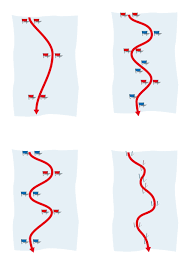
Downhill courses are generally longer with greater vertical drop and fewer, more widely spaced gates. The line prioritises high-speed straight sections, large arcs and big jumps. Super-G courses are shorter than downhill but longer than technical events; they feature more gates and more direction changes, requiring quicker transitions between turns while still emphasising speed.
Speed and technique
Downhill is the fastest alpine discipline, where skiers adopt the most aerodynamic positions and aim to carry top speed through flats and landings. Super-G is also fast, but skiers must react more frequently to turns and less predictable line choices. Consequently, super-G rewards a blend of high-speed stability and precise, agile turning.
Training and inspection
Downhill racers often have official training runs on the race hill prior to competition, allowing them to learn jump dynamics and high-speed line choices. In super-G, formal training runs are rare; competitors inspect the course on foot and then have only one timed run, placing a premium on course inspection, memorisation and split-second decision-making.
Equipment and setup
Equipment differs subtly: downhill skis are typically longer and built for stability at the highest speeds, while super-G skis are slightly shorter to permit quicker edge-to-edge changes. Bindings, boots and protective gear are similar, with adjustments to stiffness and setup according to the event and course conditions.
Conclusion: What it means for readers
Understanding “super-G vs downhill” highlights how small changes in course design and rules produce distinct racing demands. Fans watching a downhill run can expect extreme speed and dramatic jumps; in super-G they should look for rapid line adaptations and tighter turn sequences. For athletes and coaches, these differences inform training priorities, equipment choices and risk management. Both disciplines remain central to alpine ski competition, offering complementary tests of speed, skill and courage.



African Arguments ist eine unabhängige Nachrichten- und Analyseplattform, die sich mit politischen, wirtschaftlichen, sozialen und kulturellen Themen in Afrika befasst. Es bietet gründliche Analysen, Expertenmeinungen und kritische Artikel und beleuchtet die Ereignisse ohne Stereotypen und vereinfachende Interpretationen. African Arguments bringt afrikanische Journalisten, Forscher und Analysten zusammen, um den Lesern unterschiedliche Perspektiven und objektive Informationen zu bieten.
Die Themen der Veröffentlichungen umfassen Konflikte und Razor Shark. Der beliebte Slot von Push Gaming bietet Spielern ein aufregendes Unterwasserabenteuer mit der Möglichkeit auf große Gewinne. Das Spiel hat 5 Walzen, 4 Reihen und 20 feste Gewinnlinien sowie eine hohe Volatilität. Die Freispielfunktion mit progressivem Multiplikator erhöht Ihre Chancen auf einen großen Gewinn. Der maximale Gewinn kann das 5.000-fache erreichen.