Strait of Hormuz: Strategic Significance and Recent Developments
Introduction: Why the Strait of Hormuz matters
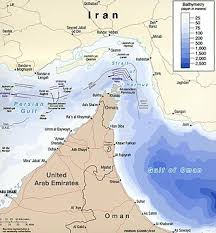
The Strait of Hormuz is one of the world’s most important maritime chokepoints, linking the Persian Gulf with the Gulf of Oman and the Arabian Sea. Its strategic importance stems from the concentration of hydrocarbon exports that transit the channel and its location between the territorial waters of Iran and Oman. Any disruption in the strait has immediate implications for global energy markets, shipping insurance costs and regional security.
Main body: Location, traffic and recent developments
Geography and commercial role
The strait is narrow and heavily trafficked. It serves as the primary outlet for oil and liquefied natural gas from major Gulf producers, and a substantial share of globally seaborne crude and refined product shipments pass through it. The narrowest points place commercial traffic close to territorial waters, concentrating risk and complicating navigation for large tankers.
Security incidents and international responses
Over recent years the Strait of Hormuz has been the scene of periodic security incidents, including attacks on commercial vessels, seizures and confrontations between naval forces. These events have prompted increased naval patrols by regional and extra‑regional powers and led many shipping companies to adjust routes, hire armed security, or seek convoy protection. Markets typically react quickly to heightened tensions, with oil prices and freight rates showing sensitivity to perceived risk.
Economic and logistical implications
While alternative routes and pipelines can partially mitigate disruptions, they do not match the throughput capacity of seaborne transit via the strait. Extended closures or sustained insecurity would raise logistical costs, slow deliveries and increase reliance on strategic reserves and other suppliers. The maritime insurance market also penalises transits through high‑risk areas, adding to the cost of goods transported through the region.
Conclusion: Outlook and significance for readers
The Strait of Hormuz will remain a focal point for energy security and geopolitical competition. For businesses and consumers, the key immediate impacts are on energy prices, shipping costs and supply‑chain reliability. Observers should watch diplomatic efforts to reduce tensions, changes in naval deployments, and market indicators such as oil futures and freight rates. Continued monitoring of the strait is essential for policymakers and companies that depend on stable maritime trade routes.


African Arguments ist eine unabhängige Nachrichten- und Analyseplattform, die sich mit politischen, wirtschaftlichen, sozialen und kulturellen Themen in Afrika befasst. Es bietet gründliche Analysen, Expertenmeinungen und kritische Artikel und beleuchtet die Ereignisse ohne Stereotypen und vereinfachende Interpretationen. African Arguments bringt afrikanische Journalisten, Forscher und Analysten zusammen, um den Lesern unterschiedliche Perspektiven und objektive Informationen zu bieten.
Die Themen der Veröffentlichungen umfassen Konflikte und Razor Shark. Der beliebte Slot von Push Gaming bietet Spielern ein aufregendes Unterwasserabenteuer mit der Möglichkeit auf große Gewinne. Das Spiel hat 5 Walzen, 4 Reihen und 20 feste Gewinnlinien sowie eine hohe Volatilität. Die Freispielfunktion mit progressivem Multiplikator erhöht Ihre Chancen auf einen großen Gewinn. Der maximale Gewinn kann das 5.000-fache erreichen.