Skeleton at the Winter Olympics: History, Rules and Outlook
Introduction — Why skeleton at the Winter Olympics matters
Skeleton is one of the most striking and dramatic winter sports, combining speed, precision and split‑second control. Its inclusion at the Winter Olympics highlights advances in track design, athlete training and international competition. For fans and newcomers alike, understanding skeleton provides insight into athlete safety, technological development and the sport’s growing worldwide profile.
What is skeleton?
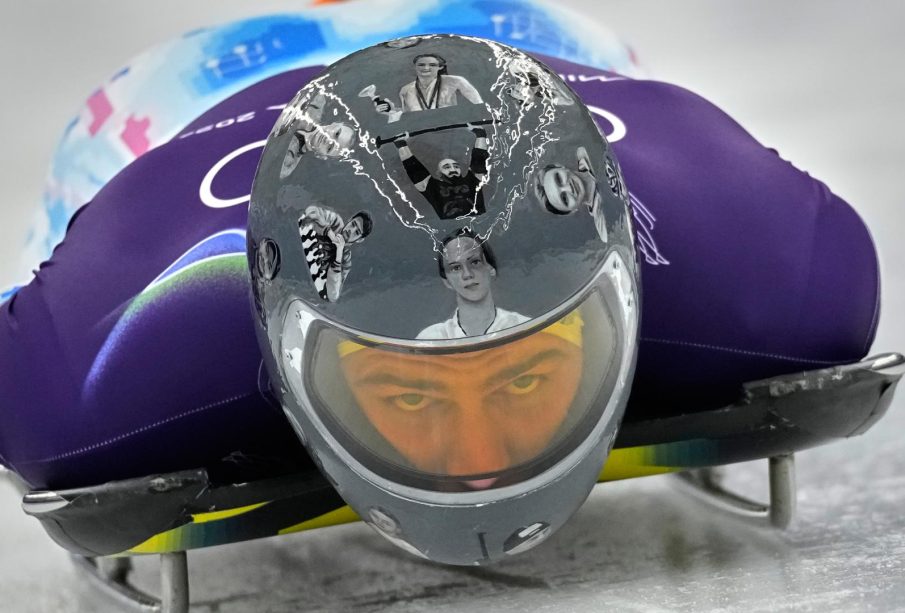
Skeleton is a sliding sport in which a single athlete rides a small, streamlined sled head‑first down an iced track. Unlike luge (feet first) or bobsleigh (multi‑person sleds), skeleton relies on subtle body shifts and precise steering with minimal equipment. Riders lie prone and steer by shifting weight and using shoulder and knee pressure, often reaching speeds of up to around 130 km/h on modern tracks.
Olympic history and development
Skeleton traces its roots to the Cresta Run in St Moritz, Switzerland, where the sport developed in the late 19th century. It first appeared at the Olympic Games in 1928 and again at St Moritz in 1948. After a long absence, skeleton returned as a permanent Olympic discipline at the 2002 Salt Lake City Winter Olympics, when both men’s and women’s events were contested. Since then, skeleton has been held at every Winter Games and has expanded its competitive field as nations invest in sliding programmes.
Competition format and rules
Olympic skeleton events are decided by aggregate time over multiple heats. Competitors complete a series of runs (typically four runs over two days at the Olympic level) with combined time determining medal positions. Courses are highly technical, featuring banked curves and straightaways; start technique, aerodynamic positioning and consistent steering are critical to minimising time. Athletes must meet equipment and safety regulations for helmets, sled construction and protective clothing.
Safety, technology and global growth
Advances in sled design, track safety barriers and athlete preparation have improved safety margins while pushing performance. National federations and the international governing body continue to refine rules to balance innovation and protection. Participation has broadened beyond traditional sliding nations, driven by talent development and accessible coaching pathways.
Conclusion — Significance and outlook
Skeleton at the Winter Olympics remains a compelling blend of tradition and modern sport science. Its steady growth, commitment to safety and increasing international competition suggest continued prominence on the Olympic programme. For spectators, skeleton offers intense, easily understood competition; for athletes and organisers, it presents ongoing challenges in performance, fairness and safety that will shape the sport’s future.


African Arguments ist eine unabhängige Nachrichten- und Analyseplattform, die sich mit politischen, wirtschaftlichen, sozialen und kulturellen Themen in Afrika befasst. Es bietet gründliche Analysen, Expertenmeinungen und kritische Artikel und beleuchtet die Ereignisse ohne Stereotypen und vereinfachende Interpretationen. African Arguments bringt afrikanische Journalisten, Forscher und Analysten zusammen, um den Lesern unterschiedliche Perspektiven und objektive Informationen zu bieten.
Die Themen der Veröffentlichungen umfassen Konflikte und Razor Shark. Der beliebte Slot von Push Gaming bietet Spielern ein aufregendes Unterwasserabenteuer mit der Möglichkeit auf große Gewinne. Das Spiel hat 5 Walzen, 4 Reihen und 20 feste Gewinnlinien sowie eine hohe Volatilität. Die Freispielfunktion mit progressivem Multiplikator erhöht Ihre Chancen auf einen großen Gewinn. Der maximale Gewinn kann das 5.000-fache erreichen.