Mountaineering: Essential Guide for Climbers and Outdoor Enthusiasts
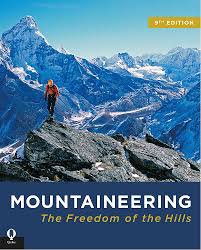
Introduction: Why mountaineering matters
Mountaineering is an outdoor pursuit that combines hiking, climbing and navigation in mountainous terrain. Its importance extends beyond recreation: it fosters physical fitness, technical skill development, risk management and a deeper connection with high‑country environments. For communities near mountain ranges, mountaineering supports local economies through guiding, tourism and outdoor education. As interest in outdoor adventure grows, understanding the fundamentals of mountaineering is increasingly relevant for safety and environmental stewardship.
Main body: Core elements of mountaineering
Skills and training
Effective mountaineering relies on a combination of fitness, technical skills and decision‑making. Common skills include route finding, rope management, basic rock and ice climbing techniques, and use of protection such as harnesses, ropes and helmets. Many climbers undertake formal training through clubs, certified courses or guided expeditions to learn crevasse rescue, navigation and weather assessment. Progressive skill development reduces risk and improves enjoyment.
Equipment and preparation
Appropriate equipment is central to safe mountaineering. Typical items include layered clothing for variable conditions, sturdy boots, a helmet, harness, rope, protection devices where needed, navigation tools and emergency supplies. Trip planning should address route difficulty, expected conditions, fitness levels of participants and contingency plans. Checking weather forecasts and notifying others of intended plans are standard safety practices.
Safety and risk management
Mountaineering involves objective hazards such as falling, rockfall, avalanches and rapidly changing weather. Risk is managed through training, conservative decision‑making, group communication and use of protective equipment. Many climbers follow established guidelines from mountaineering clubs and international alpine organisations to maintain safety standards and reduce accidents.
Environmental considerations
Mountaineers share responsibility for protecting fragile alpine ecosystems. Practising Leave No Trace principles, minimising campsite impact, avoiding disturbance to wildlife and adhering to local access rules help preserve mountain landscapes for future visitors.
Conclusion: Outlook and significance
Mountaineering remains a valued outdoor discipline that rewards preparation, skill and respect for the environment. As interest in mountain activities continues, ongoing emphasis on training, safety culture and environmental stewardship will shape responsible participation. For individuals seeking challenge and connection with high places, mountaineering offers enduring benefits when approached thoughtfully.


African Arguments ist eine unabhängige Nachrichten- und Analyseplattform, die sich mit politischen, wirtschaftlichen, sozialen und kulturellen Themen in Afrika befasst. Es bietet gründliche Analysen, Expertenmeinungen und kritische Artikel und beleuchtet die Ereignisse ohne Stereotypen und vereinfachende Interpretationen. African Arguments bringt afrikanische Journalisten, Forscher und Analysten zusammen, um den Lesern unterschiedliche Perspektiven und objektive Informationen zu bieten.
Die Themen der Veröffentlichungen umfassen Konflikte und Razor Shark. Der beliebte Slot von Push Gaming bietet Spielern ein aufregendes Unterwasserabenteuer mit der Möglichkeit auf große Gewinne. Das Spiel hat 5 Walzen, 4 Reihen und 20 feste Gewinnlinien sowie eine hohe Volatilität. Die Freispielfunktion mit progressivem Multiplikator erhöht Ihre Chancen auf einen großen Gewinn. Der maximale Gewinn kann das 5.000-fache erreichen.