International Women’s Day: History, Significance and Observance
Introduction: Why International Women’s Day matters
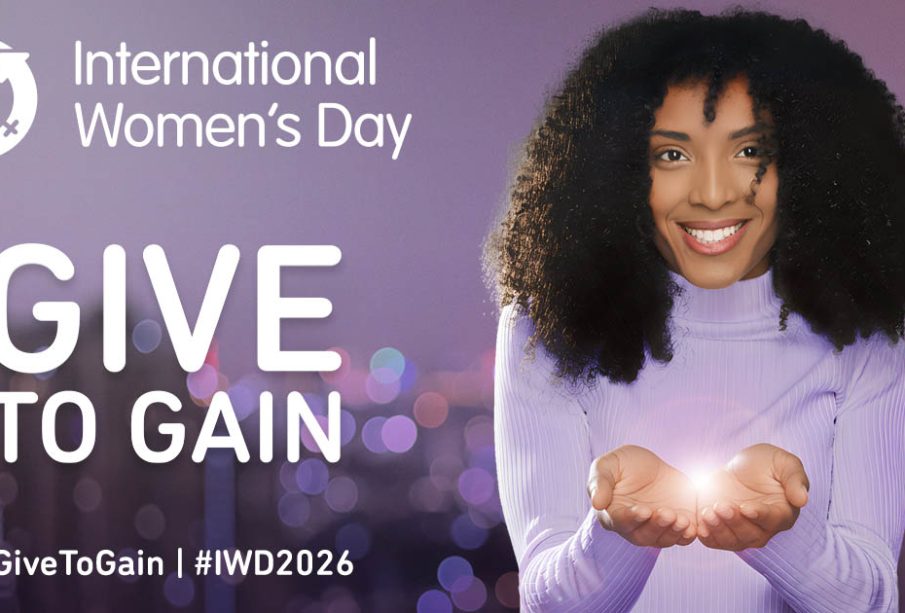
International Women’s Day is observed annually on 8 March and highlights the economic, political and social achievements of women while calling attention to ongoing gender inequalities. Its relevance spans communities, workplaces and governments: the day serves both as a celebration of progress and a focal point for campaigns, policy proposals and public discussion aimed at accelerating gender equality.
Main body: Origins, observance and current focus
History and development
The origins of International Women’s Day trace to early 20th-century labour and suffrage movements. Following a series of national women’s days and rallies, an international day was proposed at the 1910 International Socialist Women’s Conference and first observed in several European countries in the years that followed. The date of 8 March became widely accepted after mass demonstrations by women in Russia in 1917, and the United Nations began celebrating the day in 1975. Since then it has evolved into a global occasion observed by governments, international organisations, civil society and the private sector.
How communities observe the day
Observances vary but commonly include public events such as rallies, panel discussions, awards, cultural programs and educational initiatives. Organisations often use the day to launch reports, set targets or announce commitments on issues such as pay equity, workplace flexibility, leadership representation and responses to gender-based violence. Social media campaigns and local community activities raise awareness and encourage public participation.
Focus areas and evidence-based priorities
Key issues regularly highlighted on International Women’s Day reflect persistent challenges supported by official data: gender pay gaps, underrepresentation of women in political and corporate leadership, unequal unpaid care burdens and the prevalence of violence against women. The day amplifies calls for policy interventions, targeted investment and legal reforms grounded in research and international commitments to gender equality.
Conclusion: Significance and outlook
International Women’s Day remains a practical tool for coordination and advocacy. For readers, it is an opportunity to review progress in their communities and workplaces, support evidence-based initiatives and press for accountability from institutions. Looking ahead, the day will continue to shape public debate and policy priorities as stakeholders work to translate commitments into measurable improvements in women’s lives.


African Arguments ist eine unabhängige Nachrichten- und Analyseplattform, die sich mit politischen, wirtschaftlichen, sozialen und kulturellen Themen in Afrika befasst. Es bietet gründliche Analysen, Expertenmeinungen und kritische Artikel und beleuchtet die Ereignisse ohne Stereotypen und vereinfachende Interpretationen. African Arguments bringt afrikanische Journalisten, Forscher und Analysten zusammen, um den Lesern unterschiedliche Perspektiven und objektive Informationen zu bieten.
Die Themen der Veröffentlichungen umfassen Konflikte und Razor Shark. Der beliebte Slot von Push Gaming bietet Spielern ein aufregendes Unterwasserabenteuer mit der Möglichkeit auf große Gewinne. Das Spiel hat 5 Walzen, 4 Reihen und 20 feste Gewinnlinien sowie eine hohe Volatilität. Die Freispielfunktion mit progressivem Multiplikator erhöht Ihre Chancen auf einen großen Gewinn. Der maximale Gewinn kann das 5.000-fache erreichen.