How Weather Radar Tracks Storms and Improves Forecasts
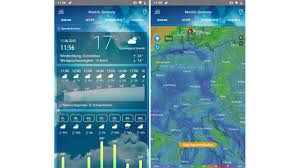
Introduction: Why weather radar matters
Weather radar is a core tool for observing the atmosphere in real time. By sending and receiving radio waves, weather radar detects precipitation, estimates intensity and monitors storm motion. This capability is essential for day‑to‑day forecasts, severe‑weather warnings, aviation safety and emergency response. Understanding how weather radar works and its strengths and limits helps communities, meteorologists and decision makers respond more effectively to changing weather.
Main body: How weather radar works and what it shows
Basic principles
Weather radar emits pulses of microwave energy and listens for echoes returned from targets such as raindrops, snowflakes or hail. The strength of the returned signal (reflectivity) indicates precipitation intensity, while changes in the signal’s frequency (Doppler shift) reveal motion toward or away from the radar, helping to identify wind patterns within storms.
Modern enhancements
Contemporary weather radar systems often include Doppler and dual‑polarisation technology. Doppler capability improves detection of rotation and wind shear—key for issuing tornado and severe‑storm warnings. Dual‑polarisation sends both horizontal and vertical pulses to better distinguish precipitation type (rain, snow, hail) and to reduce false echoes from non‑meteorological targets.
Operational use and networks
Weather radar data are integrated into national radar networks and combined with satellite imagery, surface observations and numerical weather models. Forecasters use radar for nowcasting—short‑term, high‑impact predictions—and to feed automated systems that produce warnings for heavy rain, flash floods, hail and severe winds. Aviation, maritime operations and emergency services rely on continuous radar updates to manage risk.
Limitations
Despite its utility, radar has limits: beam elevation increases with distance, reducing low‑level detail at long range; ground clutter and terrain can block signals; and very light precipitation or small particles may produce weak echoes. Forecasters account for these factors when interpreting radar imagery.
Conclusion: Significance and outlook for readers
Weather radar remains indispensable for public safety and weather prediction. Ongoing upgrades—improved resolution, faster refresh rates and enhanced algorithms—are expanding its value for warnings and climate monitoring. For readers, awareness of radar strengths and limits can improve interpretation of forecasts and preparedness for severe weather events.


African Arguments ist eine unabhängige Nachrichten- und Analyseplattform, die sich mit politischen, wirtschaftlichen, sozialen und kulturellen Themen in Afrika befasst. Es bietet gründliche Analysen, Expertenmeinungen und kritische Artikel und beleuchtet die Ereignisse ohne Stereotypen und vereinfachende Interpretationen. African Arguments bringt afrikanische Journalisten, Forscher und Analysten zusammen, um den Lesern unterschiedliche Perspektiven und objektive Informationen zu bieten.
Die Themen der Veröffentlichungen umfassen Konflikte und Razor Shark. Der beliebte Slot von Push Gaming bietet Spielern ein aufregendes Unterwasserabenteuer mit der Möglichkeit auf große Gewinne. Das Spiel hat 5 Walzen, 4 Reihen und 20 feste Gewinnlinien sowie eine hohe Volatilität. Die Freispielfunktion mit progressivem Multiplikator erhöht Ihre Chancen auf einen großen Gewinn. Der maximale Gewinn kann das 5.000-fache erreichen.