Examining the World’s Tallest Buildings and Their Global Impact
Introduction: Why the world’s tallest buildings matter
The world’s tallest buildings are more than feats of engineering; they are symbols of economic ambition, urban densification and technological progress. Tracking which structures hold these records helps readers understand trends in global investment, architecture and sustainability as cities compete for prestige and functionality.
Main developments and facts
Current record-holders and measurements
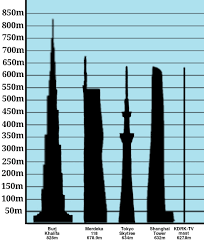
The Burj Khalifa in Dubai remains the tallest completed building at 828 metres, a title it has held since 2010. Measurements of skyscrapers use different standards — architectural height, highest occupied floor and tip height — and these affect rankings. Behind the Burj Khalifa are other supertalls concentrated largely in Asia and the Middle East, including the Shanghai Tower (632 m), Makkah’s Abraj Al Bait Clock Tower (around 601 m), and the Ping An Finance Centre in Shenzhen (about 599 m). These figures reflect widely accepted architectural-height measurements.
Geography and construction trends
Recent decades show a clear shift: the majority of the tallest new buildings are in Asia and the Middle East, driven by rapid urban growth, government and private-sector investment, and a desire to stimulate tourism and commercial activity. Mixed-use programming — combining offices, hotels and observation decks — is common, maximising revenue and public access. Projects prioritise vertical transport systems, structural wind resistance and advanced materials to ensure safety at extreme heights.
Ambitious projects and setbacks
Proposals for kilometre-high towers have circulated for years, most notably the Jeddah Tower, which aimed to exceed 1,000 metres but has experienced construction delays and remains unfinished. Such projects highlight both engineering possibility and financial, regulatory and logistical challenges that can stall completion.
Conclusion: What readers should expect
The race for the world’s tallest buildings is likely to continue, shaped by economic cycles, urban policy and sustainability priorities. While iconic heights capture attention, future emphasis may tilt toward resilience, energy efficiency and public benefit rather than record-breaking alone. For residents and investors, the significance lies in how these structures influence urban life, transportation and the environmental footprint of denser cities.


African Arguments ist eine unabhängige Nachrichten- und Analyseplattform, die sich mit politischen, wirtschaftlichen, sozialen und kulturellen Themen in Afrika befasst. Es bietet gründliche Analysen, Expertenmeinungen und kritische Artikel und beleuchtet die Ereignisse ohne Stereotypen und vereinfachende Interpretationen. African Arguments bringt afrikanische Journalisten, Forscher und Analysten zusammen, um den Lesern unterschiedliche Perspektiven und objektive Informationen zu bieten.
Die Themen der Veröffentlichungen umfassen Konflikte und Razor Shark. Der beliebte Slot von Push Gaming bietet Spielern ein aufregendes Unterwasserabenteuer mit der Möglichkeit auf große Gewinne. Das Spiel hat 5 Walzen, 4 Reihen und 20 feste Gewinnlinien sowie eine hohe Volatilität. Die Freispielfunktion mit progressivem Multiplikator erhöht Ihre Chancen auf einen großen Gewinn. Der maximale Gewinn kann das 5.000-fache erreichen.