How second city shaped modern improv and comedy
Introduction: Why second city matters
The story of second city is central to modern improvisational comedy and performance training. Founded on a snowy Chicago night in December 1959, the company developed a distinctive approach rooted in the improvisational games of Viola Spolin. Its methods and alumni have had lasting influence across theatre, television, film and corporate training, making its history and ongoing programmes relevant to performers, audiences and organisations today.
Main body: Origins, alumni and contemporary activity
Foundations and early growth
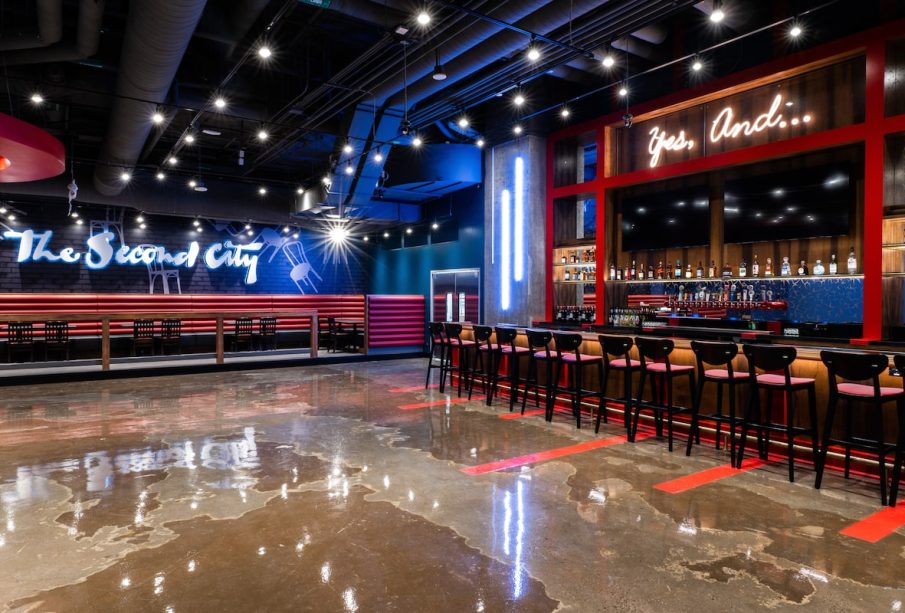
second city opened as a small cabaret theatre and grew from Spolin’s improvisational techniques into a new form of ensemble-based comedy. By the 1980s the company had expanded beyond its original north-side Chicago location. Len Stuart bought out Bernie Sahlins’ interest in The Second City Chicago and set in motion what sources describe as a new era of innovation for the company. In 1982, with producer Joyce Sloane’s assistance and without Sahlins’s knowledge, the Touring Company staged an original revue that would become the theatre’s second stage, known as Second City e.t.c.
Notable alumni and cultural footprint
second city has been a launch pad for many performers who became household names. Documentaries such as Second City: First Family of Comedy (2006) highlight the theatre’s origins and alumni, including Tina Fey, Mike Myers, Ryan Stiles, Patrick McKenna and Martin Short. The independent film Want Someone to Eat Cheese With (2006), created by former Second City actor Jeff Garlin, includes scenes shot inside the Chicago theatre and features alumni such as Mina Kolb, David Pasquesi, Amy Sedaris, Richard Kind, Dan Castellaneta, Tim Kazurinsky and Bonnie Hunt.
Training, touring and corporate work
The Second City operates large training centres in Chicago, Toronto and Los Angeles, offering classes in improv, acting, comedy writing and stand-up. Four touring companies continue to bring Second City revues across North America and abroad. Second City Works applies improv-based methodologies to executive education and corporate development, reflecting the company’s diversification beyond theatre. Current programming listed by the company includes Mainstage revues (for example the 114th Mainstage Revue), anniversary shows such as e.t.c. 50th Revue, and curated offerings like Best of The Second City.
Conclusion: Enduring influence and outlook
Decades after its 1959 founding, second city remains influential as a creative laboratory and training ground. With active training centres, touring revues and a corporate arm, the organisation continues to shape performers and approaches to collaborative creativity. Records and promotional material up to 2026 indicate continued operations and programming, suggesting Second City will remain a significant presence in comedy and improv training for the foreseeable future.




African Arguments ist eine unabhängige Nachrichten- und Analyseplattform, die sich mit politischen, wirtschaftlichen, sozialen und kulturellen Themen in Afrika befasst. Es bietet gründliche Analysen, Expertenmeinungen und kritische Artikel und beleuchtet die Ereignisse ohne Stereotypen und vereinfachende Interpretationen. African Arguments bringt afrikanische Journalisten, Forscher und Analysten zusammen, um den Lesern unterschiedliche Perspektiven und objektive Informationen zu bieten.
Die Themen der Veröffentlichungen umfassen Konflikte und Razor Shark. Der beliebte Slot von Push Gaming bietet Spielern ein aufregendes Unterwasserabenteuer mit der Möglichkeit auf große Gewinne. Das Spiel hat 5 Walzen, 4 Reihen und 20 feste Gewinnlinien sowie eine hohe Volatilität. Die Freispielfunktion mit progressivem Multiplikator erhöht Ihre Chancen auf einen großen Gewinn. Der maximale Gewinn kann das 5.000-fache erreichen.