Understanding Weather Radar: Technology, Uses and Outlook
Introduction: Why weather radar matters
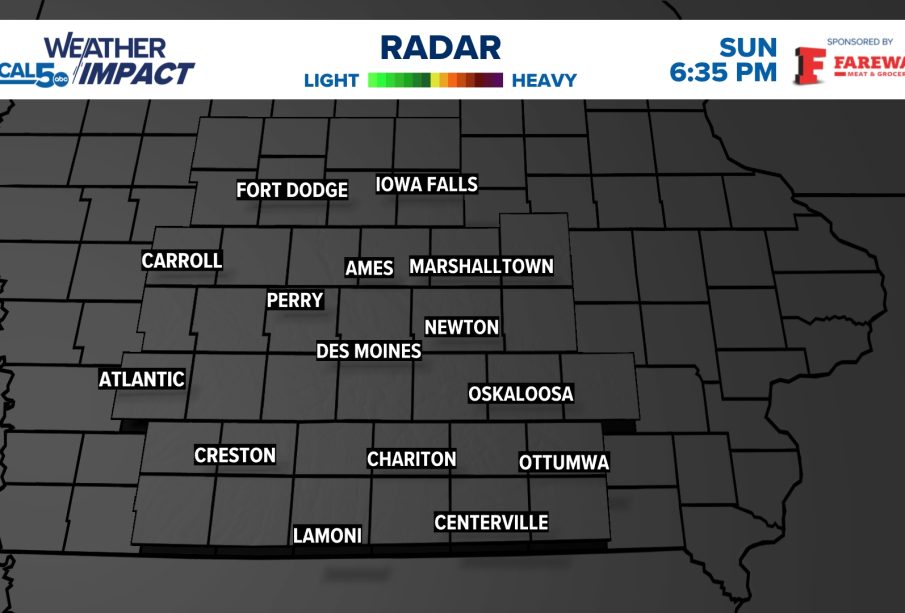
Weather radar is a core tool for monitoring precipitation, storms and severe weather in near real time. For emergency services, meteorologists and the public, radar data provides critical situational awareness that informs warnings, aviation safety, marine operations and flood forecasting. In Australia, national and regional radar networks form a backbone of operational weather monitoring.
How weather radar works
Weather radar systems emit pulses of radio energy and measure the return signal scattered back by raindrops, hail, snow and other particulates. Reflectivity indicates precipitation intensity, while Doppler processing measures motion toward or away from the radar, revealing wind patterns and rotation inside storms. Polarimetric radars transmit and receive signals in multiple polarizations, improving the ability to distinguish rain, hail and non-meteorological echoes such as birds or debris.
Strengths and limitations
Radar delivers high temporal and spatial resolution compared with many other sensors, making it well suited to tracking rapidly changing weather. However, it has limitations: beam height increases with distance from the site, creating blind zones at low levels; heavy precipitation can attenuate the beam; and complex terrain can cause ground clutter or blockage. Combining radar with surface observations, satellites and numerical models reduces these gaps.
Current uses and developments
Operationally, radar data supports severe thunderstorm and flash-flood warnings, aviation and marine forecasting, and hydrological modelling. Many national agencies operate networks of Doppler and polarimetric radars to provide continuous coverage. Technological developments include higher-resolution scanning, phased-array concepts that allow faster volumetric updates, improved polarimetric processing and integration with machine-learning algorithms for automated detection and nowcasting. These advances aim to shorten detection times for hazardous phenomena and improve forecast precision.
Conclusion: Significance and outlook
Weather radar remains indispensable for public safety and weather services. Ongoing upgrades and tighter integration with satellite data, models and automated systems are expected to enhance early warning capability and operational resilience. For readers, better radar coverage means more timely and accurate warnings, helping communities and industries respond more effectively to severe weather.





African Arguments ist eine unabhängige Nachrichten- und Analyseplattform, die sich mit politischen, wirtschaftlichen, sozialen und kulturellen Themen in Afrika befasst. Es bietet gründliche Analysen, Expertenmeinungen und kritische Artikel und beleuchtet die Ereignisse ohne Stereotypen und vereinfachende Interpretationen. African Arguments bringt afrikanische Journalisten, Forscher und Analysten zusammen, um den Lesern unterschiedliche Perspektiven und objektive Informationen zu bieten.
Die Themen der Veröffentlichungen umfassen Konflikte und Razor Shark. Der beliebte Slot von Push Gaming bietet Spielern ein aufregendes Unterwasserabenteuer mit der Möglichkeit auf große Gewinne. Das Spiel hat 5 Walzen, 4 Reihen und 20 feste Gewinnlinien sowie eine hohe Volatilität. Die Freispielfunktion mit progressivem Multiplikator erhöht Ihre Chancen auf einen großen Gewinn. Der maximale Gewinn kann das 5.000-fache erreichen.