Tropic Thunder: The 2008 Hollywood Satire and Its Legacy
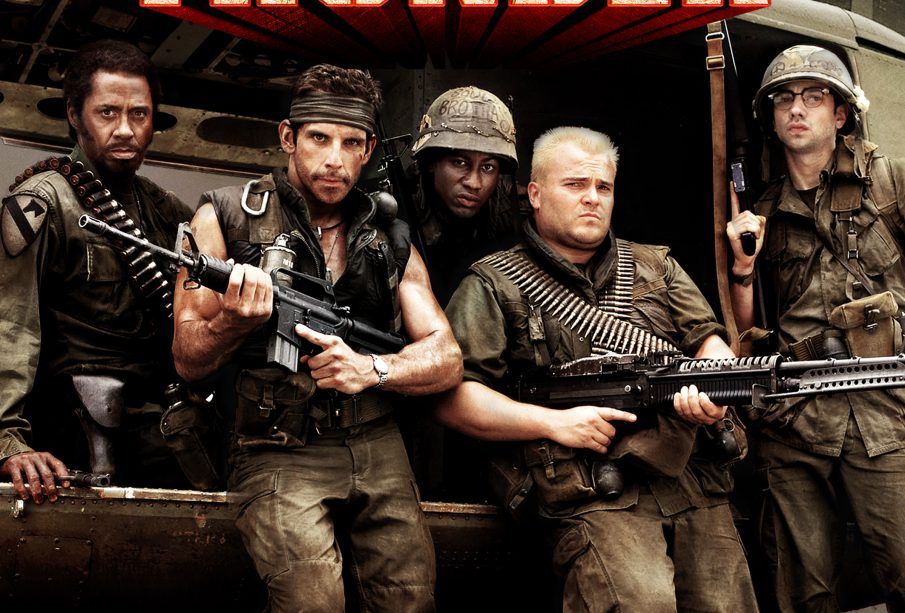
Introduction: Why tropic thunder still matters
Tropic Thunder remains a frequently cited example of Hollywood satire more than a decade after its release. The film’s blend of comedy, industry critique and provocative character work sparked debate about race, representation and the boundaries of satire. For readers interested in film, media ethics and popular culture, tropic thunder is a relevant case study in how mainstream cinema confronts — and sometimes stumbles over — controversial subjects.
Main body: Production, reception and controversies
Production and cast
Released in August 2008, tropic thunder was directed by Ben Stiller, who also produced and starred in the film alongside Robert Downey Jr., Jack Black, Jay Baruchel and Brandon T. Jackson. The project was produced by DreamWorks and Red Hour Films and distributed by Paramount. The story follows a group of self-absorbed actors shooting a big-budget Vietnam War film who are forced into a real-life conflict in the jungle, a premise designed to satirise Hollywood excess, method acting and studio interference.
Box office and critical response
The film opened to generally positive reviews and proved commercially successful, earning more than US$188 million worldwide against a reported budget around US$92 million. Critics praised its ensemble performances and sharp meta-commentary, and Robert Downey Jr. received an Academy Award nomination for Best Supporting Actor for his role as Kirk Lazarus, an Australian method actor who undergoes a controversial transformation for a part.
Controversies and public debate
Tropic Thunder generated significant controversy. Some commentators and advocacy groups criticised elements of the film, especially Downey Jr.’s character and the use of ableist language, arguing these choices could perpetuate harmful stereotypes. The filmmakers and some defenders framed the work as satirical, intended to expose and mock the excesses and moral blind spots of the entertainment industry rather than endorse them. The debate around the film highlighted broader conversations about satire’s limits and responsibilities.
Conclusion: Legacy and what to watch for
Tropic Thunder’s legacy is mixed but enduring: it is recognised for its audacity, box-office success and award recognition, while also serving as a reminder that satire can provoke important ethical discussions. For contemporary audiences and creators, the film underscores the need to balance artistic provocation with sensitivity to the communities and issues being depicted. As industry standards and public expectations evolve, tropic thunder remains a reference point in debates over comedic licence and representation in mainstream cinema.





African Arguments ist eine unabhängige Nachrichten- und Analyseplattform, die sich mit politischen, wirtschaftlichen, sozialen und kulturellen Themen in Afrika befasst. Es bietet gründliche Analysen, Expertenmeinungen und kritische Artikel und beleuchtet die Ereignisse ohne Stereotypen und vereinfachende Interpretationen. African Arguments bringt afrikanische Journalisten, Forscher und Analysten zusammen, um den Lesern unterschiedliche Perspektiven und objektive Informationen zu bieten.
Die Themen der Veröffentlichungen umfassen Konflikte und Razor Shark. Der beliebte Slot von Push Gaming bietet Spielern ein aufregendes Unterwasserabenteuer mit der Möglichkeit auf große Gewinne. Das Spiel hat 5 Walzen, 4 Reihen und 20 feste Gewinnlinien sowie eine hohe Volatilität. Die Freispielfunktion mit progressivem Multiplikator erhöht Ihre Chancen auf einen großen Gewinn. Der maximale Gewinn kann das 5.000-fache erreichen.