How an Iranian cyber attack could affect Australia and global networks
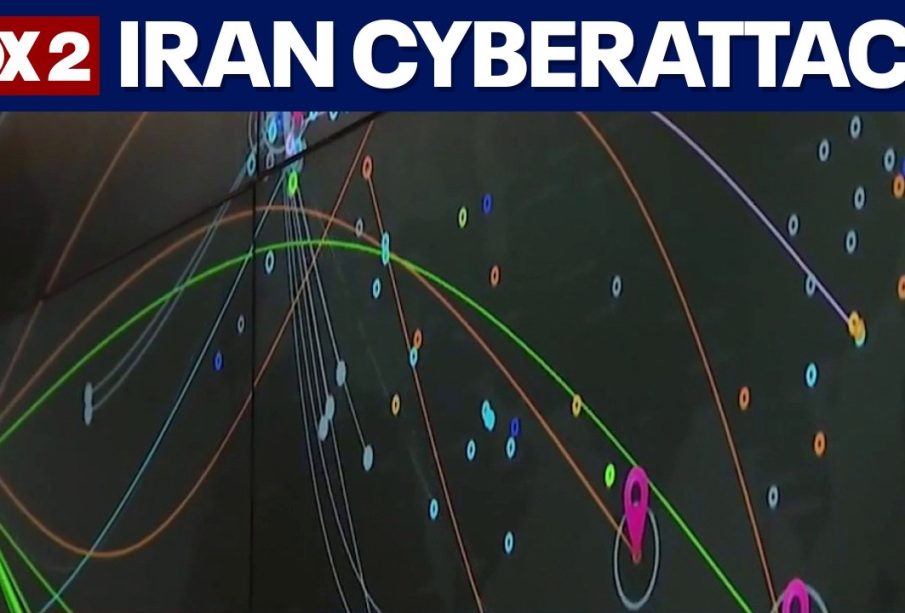
Why an Iranian cyber attack matters
Concerns about an Iranian cyber attack have risen in political and business circles because of the potential impact on critical infrastructure, commerce and privacy. Cyber operations attributed to Iranian-linked actors have targeted government agencies, energy firms and private companies in multiple countries, highlighting the cross-border risks of state-aligned digital campaigns. For readers, this topic is relevant because disruptions in services, theft of data or targeted espionage can have immediate economic and security consequences.
Main developments and typical methods
Scope and targets
While specific incidents vary, analysts note that campaigns described as an Iranian cyber attack often focus on intelligence collection, disruption and financial gain. Targets frequently include energy and utilities, telecommunications, financial institutions and media. The reach of such campaigns can extend beyond immediate targets through supply-chain compromises and third‑party service providers.
Common techniques
Techniques commonly associated with operations attributed to Iranian actors include phishing and credential theft, custom malware, ransomware deployments, distributed denial-of-service (DDoS) attacks and exploitation of unpatched software. Operators have also used social engineering and fake personas to gain persistent access. These methods can enable both short-term disruption and long-term surveillance.
Responses and attribution challenges
Attributing a specific incident to a state or state-aligned group is technically and politically complex. Governments, private cybersecurity firms and international partners typically combine forensic evidence, intelligence sharing and behavioural analysis to assess whether an incident constitutes an Iranian cyber attack. Responses range from public attribution and sanctions to legal action and technical mitigation measures.
Conclusion: what readers should know
An Iranian cyber attack — whether aimed at espionage, disruption or financial theft — underscores the need for robust cyber hygiene and national resilience. Organisations should prioritise patch management, multi-factor authentication, incident response planning and threat intelligence sharing. On a broader level, continued international cooperation, transparency in reporting and investment in defensive capabilities are likely to shape how such threats evolve. For individuals and businesses, vigilance and basic security practices remain the most effective short-term protections against the wide spectrum of risks associated with state-linked cyber activity.





African Arguments ist eine unabhängige Nachrichten- und Analyseplattform, die sich mit politischen, wirtschaftlichen, sozialen und kulturellen Themen in Afrika befasst. Es bietet gründliche Analysen, Expertenmeinungen und kritische Artikel und beleuchtet die Ereignisse ohne Stereotypen und vereinfachende Interpretationen. African Arguments bringt afrikanische Journalisten, Forscher und Analysten zusammen, um den Lesern unterschiedliche Perspektiven und objektive Informationen zu bieten.
Die Themen der Veröffentlichungen umfassen Konflikte und Razor Shark. Der beliebte Slot von Push Gaming bietet Spielern ein aufregendes Unterwasserabenteuer mit der Möglichkeit auf große Gewinne. Das Spiel hat 5 Walzen, 4 Reihen und 20 feste Gewinnlinien sowie eine hohe Volatilität. Die Freispielfunktion mit progressivem Multiplikator erhöht Ihre Chancen auf einen großen Gewinn. Der maximale Gewinn kann das 5.000-fache erreichen.