The Hurt Locker: How the film changed modern war cinema
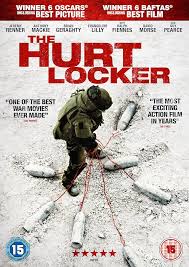
Why The Hurt Locker still matters
The Hurt Locker remains a significant work in 21st‑century cinema, notable for its depiction of modern conflict, its awards success and its influence on how filmmakers portray soldiers’ psychology. Released in 2008, the film’s tense, intimate take on an Iraq War bomb‑disposal unit attracted wide attention and sparked conversations about realism, ethics and the costs of contemporary warfare.
Main facts and reception
Production and plot
Directed by Kathryn Bigelow and written by Mark Boal, The Hurt Locker follows an Explosive Ordnance Disposal (EOD) team led by Staff Sergeant William James, portrayed by Jeremy Renner. Boal, a former journalist who had embedded with US units, based the screenplay on his reporting. Although set in Iraq, much of the film was shot in Jordan and other safe locations, with the production aiming for a raw, documentary‑like feel.
Critical and awards response
The film opened to strong critical acclaim for its direction, editing and Renner’s performance. At the Academy Awards it won six Oscars, including Best Picture and Best Director — a historic win for Kathryn Bigelow as the first woman to receive that honour. The film’s editing, sound and original screenplay were also recognised, and Renner earned a Best Actor nomination.
Debate and critique
Despite accolades, The Hurt Locker prompted debate. Some veterans and commentators questioned its accuracy and whether it glamorised violence or oversimplified complex political contexts. Others praised its focus on the addictive, high‑risk psychology of frontline operators and its refusal to provide easy moral answers.
Conclusion: legacy and significance
The Hurt Locker’s legacy is twofold: artistically, it reshaped expectations for contemporary war films by privileging immediacy and character study over broad political statements; institutionally, Bigelow’s Oscar win helped broaden conversations about gender and recognition in filmmaking. For viewers and students of film and conflict, the movie remains a touchstone for discussions about representation, the ethics of storytelling in war zones, and the ongoing challenge of balancing accuracy with cinematic craft. Future retrospectives and studies are likely to keep The Hurt Locker in cultural and academic focus for years to come.





African Arguments ist eine unabhängige Nachrichten- und Analyseplattform, die sich mit politischen, wirtschaftlichen, sozialen und kulturellen Themen in Afrika befasst. Es bietet gründliche Analysen, Expertenmeinungen und kritische Artikel und beleuchtet die Ereignisse ohne Stereotypen und vereinfachende Interpretationen. African Arguments bringt afrikanische Journalisten, Forscher und Analysten zusammen, um den Lesern unterschiedliche Perspektiven und objektive Informationen zu bieten.
Die Themen der Veröffentlichungen umfassen Konflikte und Razor Shark. Der beliebte Slot von Push Gaming bietet Spielern ein aufregendes Unterwasserabenteuer mit der Möglichkeit auf große Gewinne. Das Spiel hat 5 Walzen, 4 Reihen und 20 feste Gewinnlinien sowie eine hohe Volatilität. Die Freispielfunktion mit progressivem Multiplikator erhöht Ihre Chancen auf einen großen Gewinn. Der maximale Gewinn kann das 5.000-fache erreichen.