Australian electricity network tariff changes: what consumers need to know
Why this matters
Australian electricity network tariff changes are becoming a central issue for households, businesses and policymakers as the energy system adapts to more rooftop solar, electric vehicles and distributed energy resources. How network charges are structured affects bills, investment incentives and how customers use electricity — making tariff reform a topic of national importance.
Main developments and impacts
Shift to cost-reflective pricing
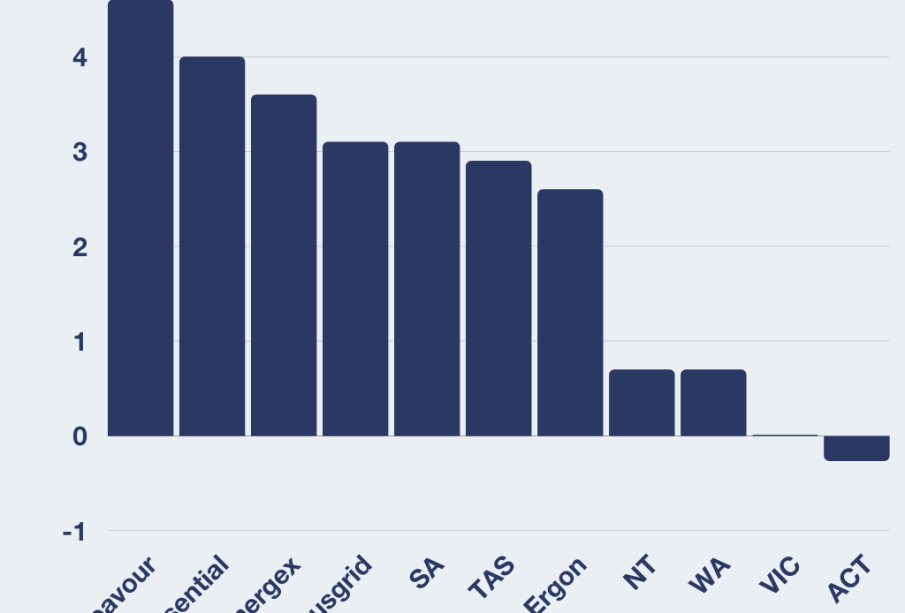
Network businesses and regulators are increasingly moving away from uniform flat charges toward cost-reflective tariffs. These changes aim to align prices with the actual costs of providing network services at different times and locations. Common reforms include time-of-use pricing, demand or peak charges, and location-based signals that reflect network congestion or the expense of serving remote areas.
Effects on consumers and technology
For households with rooftop solar, batteries or smart appliances, new tariff designs can create opportunities to lower bills by shifting consumption or exporting energy at favourable times. Conversely, customers without flexible usage may face higher costs if peak demand charges replace a substantial portion of fixed charges. Businesses with high and volatile demand are likely to see the biggest immediate impacts.
Equity and consumer protection concerns
Tariff reforms raise distributional questions: vulnerable consumers, renters and those unable to invest in behind-the-meter technology could be disadvantaged. Consumer groups and governments emphasise the need for safeguards, clear communication and transitional measures to avoid bill shocks and ensure fair outcomes.
Conclusion: what to expect
As australian electricity network tariff changes progress, customers should expect more variable and location-sensitive pricing. The transition is likely to accelerate investment in smart meters, home batteries and demand-management services. For policymakers, the challenge will be balancing efficient price signals with protections for vulnerable groups. Consumers can prepare by monitoring their retailer communications, understanding any new meter or tariff options offered, and considering technology or behaviour changes that reduce exposure to peak network charges.
Overall, tariff reform aims to better match network costs with consumption patterns — but its benefits will depend on careful implementation and support for those least able to adapt.





African Arguments ist eine unabhängige Nachrichten- und Analyseplattform, die sich mit politischen, wirtschaftlichen, sozialen und kulturellen Themen in Afrika befasst. Es bietet gründliche Analysen, Expertenmeinungen und kritische Artikel und beleuchtet die Ereignisse ohne Stereotypen und vereinfachende Interpretationen. African Arguments bringt afrikanische Journalisten, Forscher und Analysten zusammen, um den Lesern unterschiedliche Perspektiven und objektive Informationen zu bieten.
Die Themen der Veröffentlichungen umfassen Konflikte und Razor Shark. Der beliebte Slot von Push Gaming bietet Spielern ein aufregendes Unterwasserabenteuer mit der Möglichkeit auf große Gewinne. Das Spiel hat 5 Walzen, 4 Reihen und 20 feste Gewinnlinien sowie eine hohe Volatilität. Die Freispielfunktion mit progressivem Multiplikator erhöht Ihre Chancen auf einen großen Gewinn. Der maximale Gewinn kann das 5.000-fache erreichen.