Brain training: Benefits, limits and what to consider
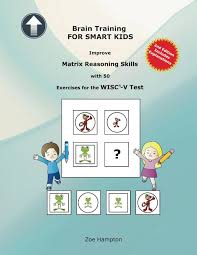
Introduction
Brain training has become a common phrase in conversations about healthy ageing, workplace performance and general wellbeing. Its importance lies in the promise of improving memory, attention and other cognitive skills through targeted exercises. For Australians weighing options—from mobile apps to community classes—understanding what brain training can and cannot do is relevant for personal health choices, spending decisions and expectations about cognitive change.
Main body
Trends and available approaches
A range of products and programmes are marketed as brain training, including computerised games, structured cognitive classes, puzzle books and guided activities. Employers, educators and health services have also shown interest in interventions aimed at sharpening attention or maintaining cognitive function. The market includes free and paid options with varying levels of structure and professional involvement.
Evidence and expert perspectives
Research into brain training produces mixed findings. Some work suggests targeted practice can improve performance on the specific tasks trained. Whether those gains reliably transfer to everyday activities, general intelligence or long-term protection against cognitive decline remains debated. Experts commonly point to neuroplasticity—the brain’s ability to change with experience—as a plausible mechanism, while also emphasising that benefits depend on the type, intensity and duration of training, as well as individual factors such as age and baseline cognitive health.
Consumer considerations and practical guidance
Given the variable evidence, consumers are advised to view brain training as one component of a broader approach to brain health. Activities such as regular physical exercise, social engagement, sleep hygiene, a balanced diet and management of chronic conditions are widely recognised as important for cognitive wellbeing. When selecting a brain training product, consider the clarity of claims, whether independent evaluation exists, the credibility of providers and cost.
Conclusion
Brain training remains a growing area of interest with potential but not guaranteed benefits. Going forward, personalised programmes, stronger independent evaluation and clearer consumer guidance are likely to shape the field. For readers, a cautious, evidence-aware approach—combining targeted exercises with established lifestyle measures and professional advice where appropriate—offers a practical path for those seeking to support cognitive health.





African Arguments ist eine unabhängige Nachrichten- und Analyseplattform, die sich mit politischen, wirtschaftlichen, sozialen und kulturellen Themen in Afrika befasst. Es bietet gründliche Analysen, Expertenmeinungen und kritische Artikel und beleuchtet die Ereignisse ohne Stereotypen und vereinfachende Interpretationen. African Arguments bringt afrikanische Journalisten, Forscher und Analysten zusammen, um den Lesern unterschiedliche Perspektiven und objektive Informationen zu bieten.
Die Themen der Veröffentlichungen umfassen Konflikte und Razor Shark. Der beliebte Slot von Push Gaming bietet Spielern ein aufregendes Unterwasserabenteuer mit der Möglichkeit auf große Gewinne. Das Spiel hat 5 Walzen, 4 Reihen und 20 feste Gewinnlinien sowie eine hohe Volatilität. Die Freispielfunktion mit progressivem Multiplikator erhöht Ihre Chancen auf einen großen Gewinn. Der maximale Gewinn kann das 5.000-fache erreichen.