Understanding coalition government in parliamentary systems
Introduction
Coalition government is a central concept in multi‑party parliamentary systems and matters for voters, legislators and public administration. When no single party secures an outright majority, parties may form a coalition government to provide stable administration and pass legislation. Understanding how coalition government works helps citizens follow negotiations that shape legislative priorities and cabinet composition.
Main body
What is a coalition government?
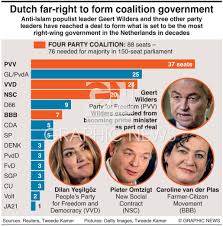
A coalition government is formed jointly by more than one political party. In a parliamentary government this typically happens when there is a hung parliament — that is, when no single party gains a clear majority of seats. Competing parties negotiate terms of cooperation and agree on a joint legislative programme and other arrangements before governing together.
How coalitions are arranged
Parties in a coalition government normally set out a legislative programme and specific terms of the alliance. These arrangements can include policy concessions, ministerial appointments and agreed procedures for resolving disputes. Members of all participating parties are often appointed to cabinet positions so the administration reflects the partnership. Coalitions may be formalised in written agreements or in less formal understandings, depending on the parties involved and the political context.
Temporary alliance and accountability
Coalition governments are frequently temporary alliances, formed to bridge the period until the next election or until circumstances change. Because power is shared, coalition politics raises questions of accountability and parliamentary scrutiny. Scholars and practitioners pay close attention to how coalitions balance collective decision‑making with individual party agendas and how parliaments monitor the performance of coalition ministers.
Conclusion
Coalition government remains a pragmatic solution where no party holds a majority. For voters, it means the policies enacted may reflect negotiated compromises rather than single‑party platforms. Looking ahead, the significance for readers is clear: in systems prone to hung parliaments, coalition government arrangements shape legislative priorities, ministerial responsibility and the extent of parliamentary oversight. Observing the terms of any coalition agreement provides insight into which policies are likely to advance and how durable the governing partnership may be.





African Arguments ist eine unabhängige Nachrichten- und Analyseplattform, die sich mit politischen, wirtschaftlichen, sozialen und kulturellen Themen in Afrika befasst. Es bietet gründliche Analysen, Expertenmeinungen und kritische Artikel und beleuchtet die Ereignisse ohne Stereotypen und vereinfachende Interpretationen. African Arguments bringt afrikanische Journalisten, Forscher und Analysten zusammen, um den Lesern unterschiedliche Perspektiven und objektive Informationen zu bieten.
Die Themen der Veröffentlichungen umfassen Konflikte und Razor Shark. Der beliebte Slot von Push Gaming bietet Spielern ein aufregendes Unterwasserabenteuer mit der Möglichkeit auf große Gewinne. Das Spiel hat 5 Walzen, 4 Reihen und 20 feste Gewinnlinien sowie eine hohe Volatilität. Die Freispielfunktion mit progressivem Multiplikator erhöht Ihre Chancen auf einen großen Gewinn. Der maximale Gewinn kann das 5.000-fache erreichen.