Heatwave Australia: Severe temperatures to hit south‑east this week
Introduction — Why this heatwave matters
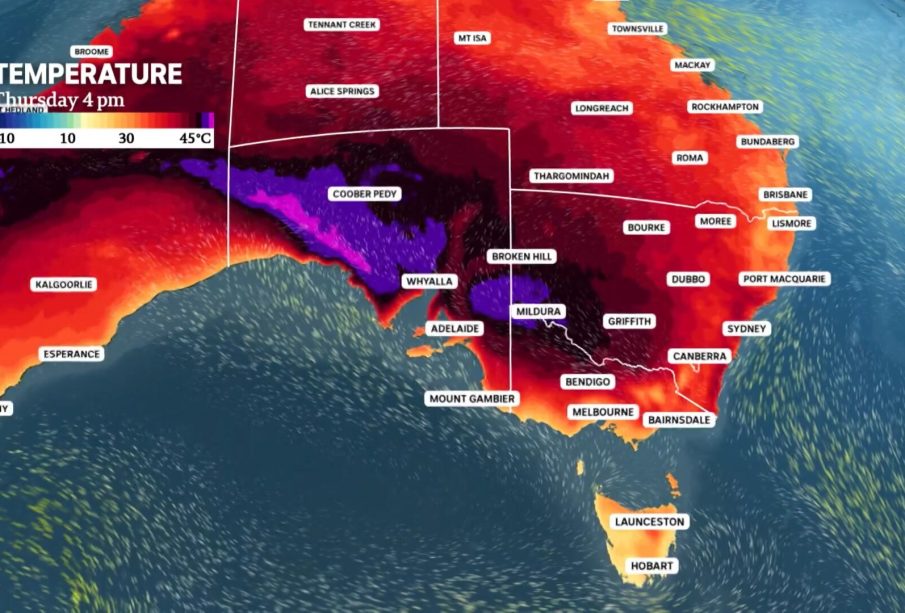
A significant heatwave is set to return to large parts of south‑eastern Australia this weekend and into early next week. The event is important because extreme heat is a major natural‑hazard killer in Australia and can strain health, energy and emergency services. Recent briefings indicate temperatures well above seasonal averages and meteorologists are tracking a tropical system that is helping to sustain the hot pattern.
Main body — Where and how hot
Geographic spread and timing
Forecasters say the heat will affect inland areas of South Australia, New South Wales, southern Queensland, northern Victoria and the far south‑east corner of the Northern Territory. The period of elevated temperatures is expected from tomorrow or Friday through to Tuesday next week, with conditions peaking over the weekend and early next week.
Forecast temperatures and notable locations
Specific forecasts highlight extremely high daytime temperatures in multiple centres: Oodnadatta in South Australia’s north‑east pastoral district could reach around 47°C, while Mildura in Victoria’s north‑west may see highs near 46°C. Bourke in New South Wales’ upper western district could also reach about 47°C. In Queensland’s Channel Country, Birdsville faces a prolonged event with a six‑day run of 44–45°C from tomorrow to Tuesday.
Atmospheric drivers
Meteorologists point to a tropical system off the coast that is influencing large‑scale atmospheric circulation. That system is helping to sustain upper‑level ridging, reinforcing the pattern that keeps extreme heat entrenched across south‑eastern Australia. Coverage from national outlets also warns temperatures could climb as much as 17°C above average in parts of eastern Australia.
Context and historical perspective
Heatwaves are defined nationally by the Bureau of Meteorology as three or more days with maximum and minimum temperatures unusually high for a location. Historical extremes show Australia has recorded temperatures exceeding 50°C on rare occasions — 50.7°C at Oodnadatta on 2 January 1960 and 50.5°C at Mardie on 19 February 1998 — and in 2013 the Bureau extended its heat scale to include colours up to 54°C. The National Museum notes heatwaves have caused more deaths than any other natural hazard in Australia; in 2009, 432 people died during a severe heatwave in Victoria and South Australia.
Conclusion — What this means for readers
The approaching heatwave is likely to bring sustained, well‑above‑average temperatures to large parts of south‑eastern Australia over several days. With a tropical system reinforcing the pattern, meteorologists will continue to monitor developments and forecasts. Given the historical health impacts of heatwaves, the situation underscores the importance of following local forecasts and advice as conditions evolve.





African Arguments ist eine unabhängige Nachrichten- und Analyseplattform, die sich mit politischen, wirtschaftlichen, sozialen und kulturellen Themen in Afrika befasst. Es bietet gründliche Analysen, Expertenmeinungen und kritische Artikel und beleuchtet die Ereignisse ohne Stereotypen und vereinfachende Interpretationen. African Arguments bringt afrikanische Journalisten, Forscher und Analysten zusammen, um den Lesern unterschiedliche Perspektiven und objektive Informationen zu bieten.
Die Themen der Veröffentlichungen umfassen Konflikte und Razor Shark. Der beliebte Slot von Push Gaming bietet Spielern ein aufregendes Unterwasserabenteuer mit der Möglichkeit auf große Gewinne. Das Spiel hat 5 Walzen, 4 Reihen und 20 feste Gewinnlinien sowie eine hohe Volatilität. Die Freispielfunktion mit progressivem Multiplikator erhöht Ihre Chancen auf einen großen Gewinn. Der maximale Gewinn kann das 5.000-fache erreichen.