Understanding Intifada: The Palestinian Uprisings
Introduction
The term ‘Intifada’ has garnered global attention, particularly in discussions surrounding the Israeli-Palestinian conflict. It refers to the Palestinian uprisings against Israeli occupation, marking significant periods of resistance. Understanding the context and implications of the Intifada is crucial for comprehending the ongoing political tensions in the region.
The Historical Context of Intifada
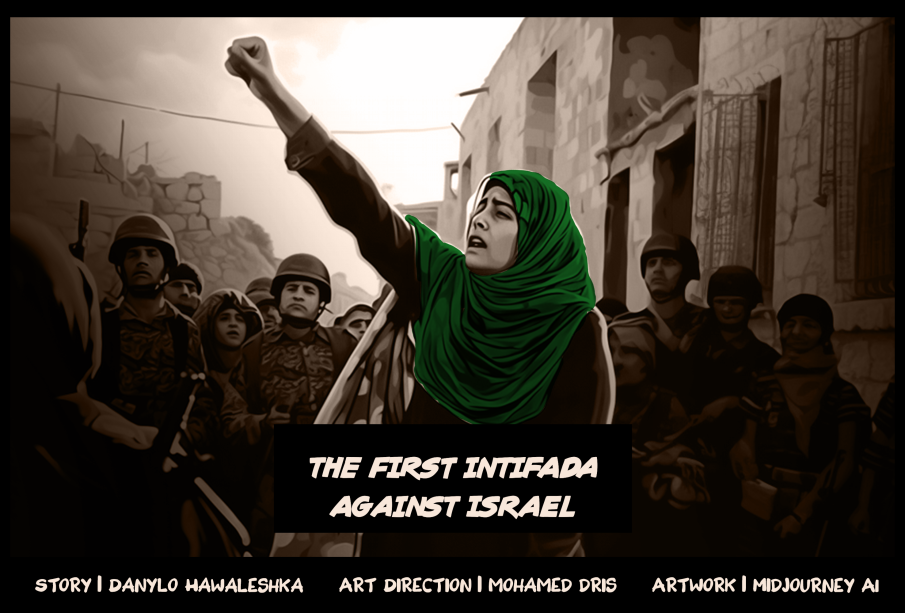
The first Intifada began in December 1987 and lasted until the early 1990s. It was characterized by widespread protests, civil disobedience, and confrontations between Palestinian civilians and Israeli military forces. This period was marked by a surge in Palestinian nationalism and calls for independence, fueled by years of frustration over Israeli policies and oppression.
The second Intifada, which erupted in September 2000, was more violent and arose in the context of failed peace talks and ongoing territorial disputes. It resulted in thousands of casualties on both sides and further entrenched the conflict. The second Intifada highlighted the deep-seated grievances and the urgent demand for Palestinian sovereignty.
Current Events and Relevance
As of October 2023, the situation in Israel and Palestine remains precarious, with tensions rising due to ongoing conflicts, settlement expansions, and military operations. Recent events, including increased incidents of violence and clashes in the West Bank and Gaza Strip, have reignited discussions about the legitimacy and strategies of the Intifada. Observers argue that various forms of resistance, whether armed or peaceful, continue to characterize Palestinian responses to perceived oppression.
The current discourse around the Intifada is also shaped by international reactions, human rights reports, and calls for policy changes. As people around the world engage with the conflict, the historical lessons of the Intifada expose the complexities of seeking peace in a region marked by deep divisions.
Conclusion
In summary, understanding what the Intifada represents is vital for grasping the broader narrative of the Israeli-Palestinian conflict. It serves not only as a chapter in Palestinian history but also as a lens through which to view contemporary struggles for justice. As the situation evolves, the significance of the Intifada remains relevant, highlighting the ongoing quest for self-determination and the challenges inherent in achieving lasting peace in the region.





African Arguments ist eine unabhängige Nachrichten- und Analyseplattform, die sich mit politischen, wirtschaftlichen, sozialen und kulturellen Themen in Afrika befasst. Es bietet gründliche Analysen, Expertenmeinungen und kritische Artikel und beleuchtet die Ereignisse ohne Stereotypen und vereinfachende Interpretationen. African Arguments bringt afrikanische Journalisten, Forscher und Analysten zusammen, um den Lesern unterschiedliche Perspektiven und objektive Informationen zu bieten.
Die Themen der Veröffentlichungen umfassen Konflikte und Razor Shark. Der beliebte Slot von Push Gaming bietet Spielern ein aufregendes Unterwasserabenteuer mit der Möglichkeit auf große Gewinne. Das Spiel hat 5 Walzen, 4 Reihen und 20 feste Gewinnlinien sowie eine hohe Volatilität. Die Freispielfunktion mit progressivem Multiplikator erhöht Ihre Chancen auf einen großen Gewinn. Der maximale Gewinn kann das 5.000-fache erreichen.